Elections across the world faced a wide range of pressures on electoral integrity in 2025, from violence and mis- and disinformation to electoral management malfunctions, cyber attacks and natural hazards, our new report shows.
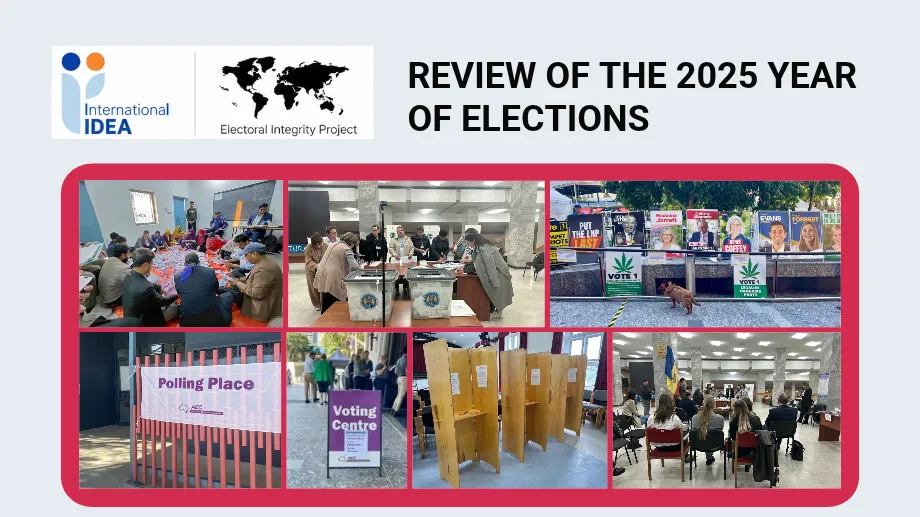
The Review of the 2025 Year of Elections: Inclusivity, Transparency and Trust was produced by International IDEA and the Electoral Integrity Project. I edited the report alongside Holly Ann Garnett and Erik Asplund. It was launched at a webinar, which can be watched here – and at an event in Stockholm.
The report examined 39 countries that held national elections in 2025 and looks at both the risks facing elections and how electoral institutions are responding, with a particular focus on inclusivity, transparency and trust.
The report shows that all countries, large or small, are facing challenges in ensuring that elections truly empower people. But they also show the value of drawing lessons across borders.
Challenges such as the role of money in elections, election disinformation and political polarisation are not confined to single countries. Efforts to improve elections should therefore be global as well.
Electoral campaigns remain a particularly vulnerable part of the electoral cycle. The report also points to growing pressure on media integrity and campaign finance, as declining press freedom and increasingly digital financial flows create new challenges for electoral processes.
Key findings from elections monitored in 2025 include:
- Mis- and disinformation: Instances of mis- and disinformation narratives were recorded in at least 62 per cent of the 39 national elections monitored. In Moldova, Ireland, Cote d’Ivoire and Australia, examples included allegations of electoral fraud, misleading claims targeting candidates, AI-generated deepfakes, cyber-enabled disinformation and misleading political content circulating on platforms such as WeChat and RedNote.
- Gender-based violence: In at least 22 countries monitored, instances of gender-based violence were recorded in national electoral contexts, many of them committed, enabled or amplified through digital technologies. Women candidates and election officials in countries such as Ecuador, Chile and Germany were targeted by misogynistic, racist, sexualized, and other online attacks, including coordinated harassment, threats, manipulated images, and sexualized AI-generated content.
- Natural hazards: Floods, heatwaves, tropical storms and other natural hazards affected 12 national and local elections in 11 countries monitored, highlighting the growing impact of extreme weather on electoral processes. Elections in Ecuador, the Philippines, and Saint Vincent and the Grenadines were among those affected.
- Campaign Finance: 2025 highlighted persistent irregularities involving campaign spending, weak oversight and enforcement of existing laws, and interference by corporate and foreign interests. Data from the Electoral Integrity Project reveals that the electoral campaigns have continued to be the poorest-performing stage of the electoral cycle. Notable examples, include Australia, Albania and Romania.
Despite these pressures, the report finds that election quality remained broadly stable. It also documents how electoral management bodies and other actors are testing new ways to respond to these pressures, strengthen confidence in electoral processes and improve their ability to withstand disruption.
Across nine chapters and 20 case studies, the report examines examples of innovation from around the world, including changes to voting arrangements, the use of digital tools, regulatory reforms, risk-management measures and new forms of cooperation.
While not every initiative produced the intended results, the examples offer practical lessons on how electoral management can evolve in response to changing political, technological and environmental conditions.
The report follows International IDEA’s review of the 2024 election Super-Cycle, when more than 70 national-level elections brought renewed attention to the role of elections in shaping and maintaining democracy. This new report examines what the experience of 2025 reveals about both continuing threats to electoral integrity and the ways electoral institutions are responding.
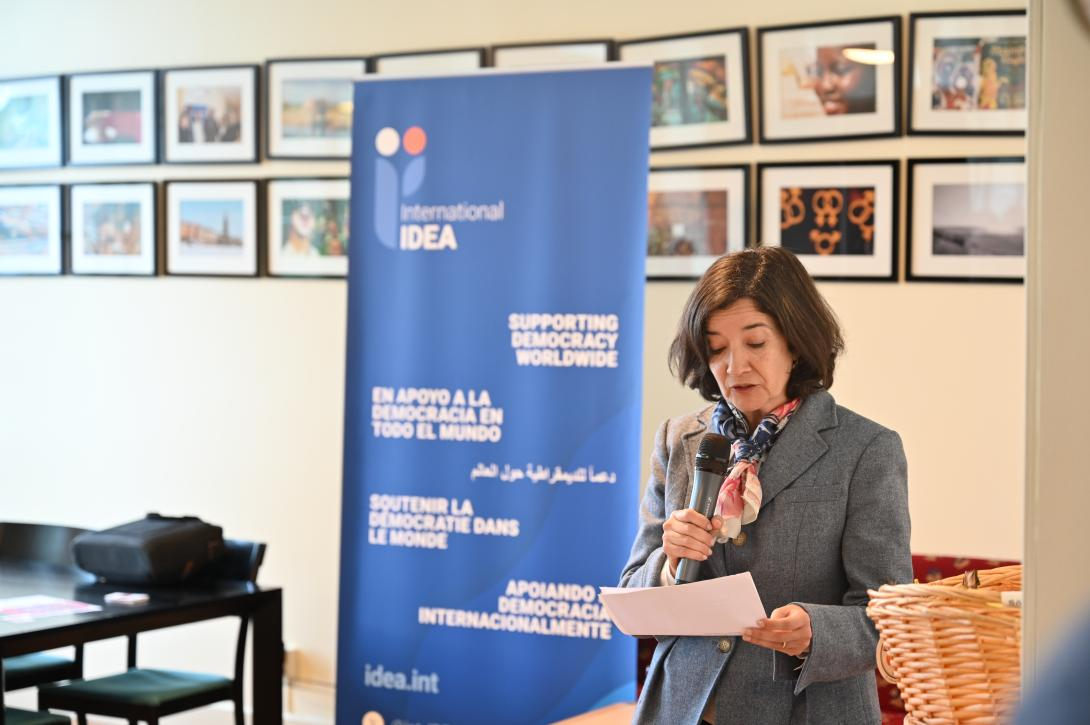
Photos, curtesy from International IDEA, from the in-person event are below.