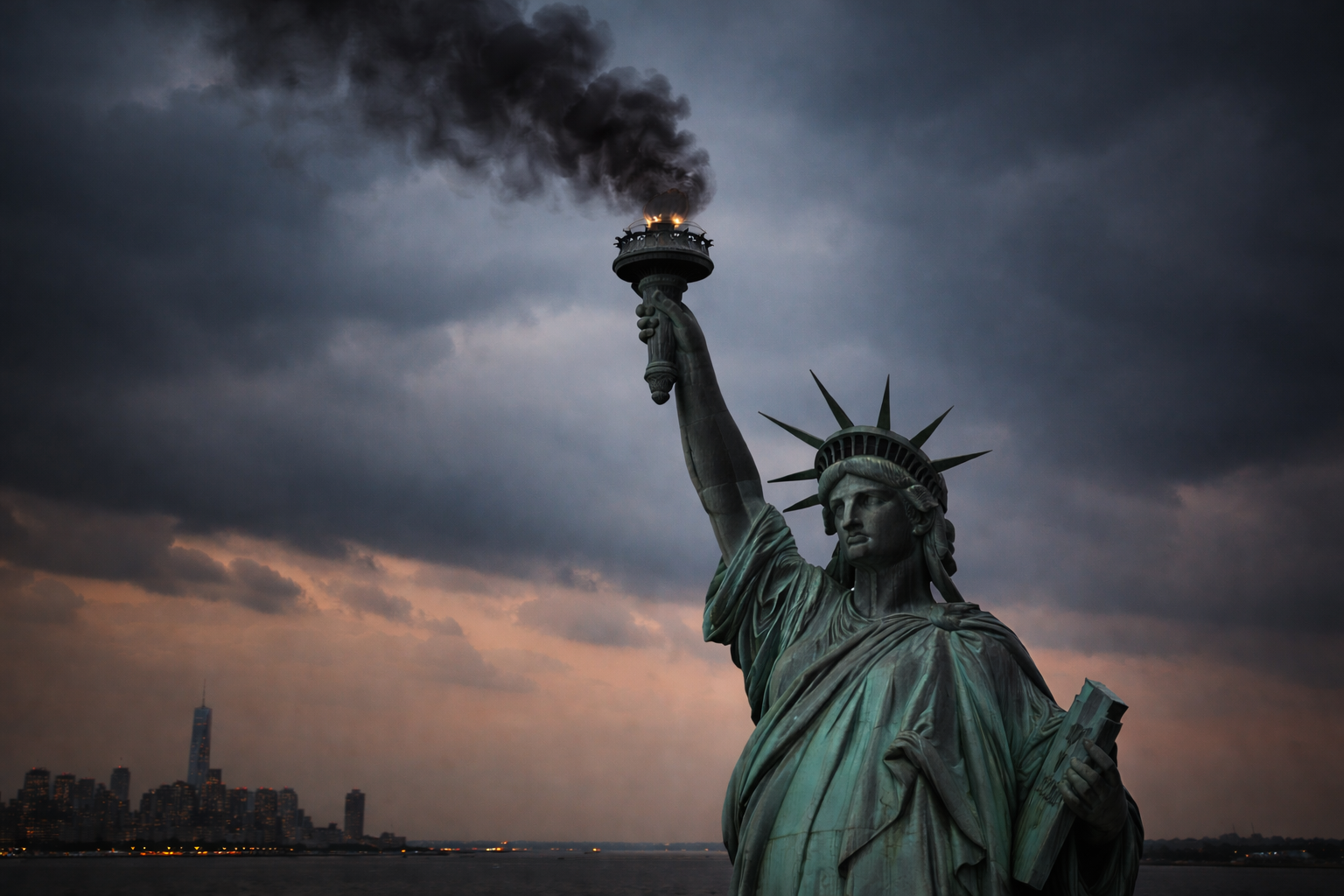
What makes a democracy genuinely democratic—and how can we recognise when democracy is weakening?
My research addresses these questions by bringing together democratic theory and empirical research on elections, public institutions and political power.
A central strand of this work develops the idea of Real Democracy: an approach that asks not only whether democratic institutions and procedures exist, but whether citizens have the capabilities and opportunities needed to exercise meaningful political agency. My research on democratic backsliding then examines how those opportunities, institutions and distributions of power can change over time—and how democratic institutions can sometimes prove resilient.
Real democracy
Democracy is often assessed through institutions and procedures: elections, constitutional rules, political rights and competition for office. These are essential, but they do not necessarily tell us how much political power citizens are actually able to exercise.
My Real Democracy approach therefore starts from citizen empowerment.
It asks whether people have the substantive capabilities and opportunities needed to participate in political life and influence collective decisions. Opportunities at the ballot box are central, but political agency is also shaped by wider social conditions, including education, health, economic resources and living standards.
The approach also distinguishes between the preconditions for democracy and its outcomes. Democratic institutions create opportunities for agency, but outcomes also depend on how people exercise that agency and on inequalities in the distribution of political power.
This critical realist approach to democracy was developed in my 2024 article, Real Democracy: A Critical Realist Approach to Democracy and Democratic Theory, and is being developed further in my forthcoming book, Real Democracy: Empowerment and Equality Around the World, with Manchester University Press.
Understanding democratic backsliding
Democratic backsliding is not a single process. Democratic institutions can be weakened in different ways and at different speeds, while some institutions may deteriorate as others remain resilient.
My research examines democratic backsliding from several perspectives, including public administration, electoral integrity and the experience of democracy in the United Kingdom. It is particularly concerned with what happens inside institutions: how political executives interact with administrative systems, how electoral institutions respond to pressure, and how changes in formal rules affect citizens’ opportunities for political participation.
Democracy, public administration and backsliding
Public administration is sometimes treated as separate from democratic politics. My research argues that the two are closely connected.
Democratic backsliding can reshape administrative institutions, professional norms and relationships between political leaders and public officials. At the same time, administrative institutions can constrain, accommodate or resist attempts to change democratic rules and practices.
This work develops a framework for understanding those relationships and forms part of a wider programme of comparative research on democratic backsliding and public administration.
- Read: Democracy, public administration, and democratic backsliding
- Read special issue: Democratic Backsliding and Public Administration
Electoral Backsliding?
Are elections themselves deteriorating as democracy comes under pressure?
Research with Holly Ann Garnett examines changes in electoral integrity across countries and asks whether global concerns about democratic backsliding are reflected in the quality of elections. The findings emphasise variation rather than a simple universal decline: trajectories differ considerably between countries and between different dimensions of electoral integrity.
- Read: ‘Electoral backsliding? Democratic divergence and trajectories in the quality of elections worldwide‘, Electoral Studies (with Holly Ann Garnett).
Democratic backsliding in the United Kingdom
My research has also examined claims of democratic backsliding in the UK.
The 2023 report UK Democracy Under Strain: Democratic Backsliding and Strengthening 2019–2023, produced with support from Unlock Democracy, assessed developments across a range of democratic institutions and practices during that period and considered reforms intended to strengthen democratic safeguards.

